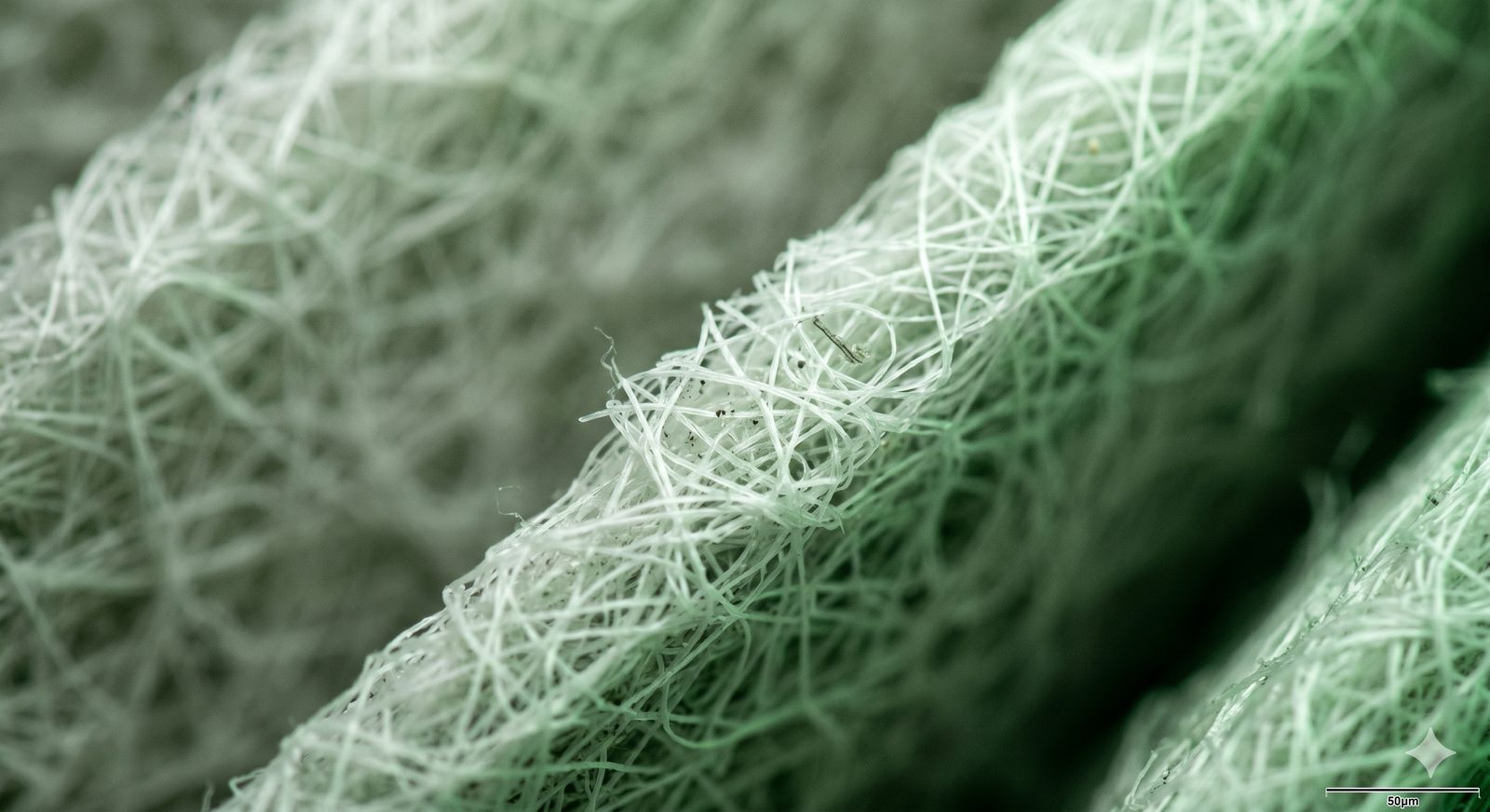
Fresh Air System Filter Change Guide — How Often, By Whom, What Happens If You Skip
A fresh air system has two filters in series. The pre-filter on the outside is washable, customer-facing, and needs a two-minute DIY clean every 7–10 days. The H13 HEPA filter inside is the medical-grade fine filter, and a field technician swaps it every 45–90 days depending on the season. Skip either and indoor PM2.5 starts rising before you notice it on the monitor. This guide is the full cadence — what each filter is for, what happens at every interval, what changes if you fall behind, and what the aqi0 AMC actually includes.
Key idea in one paragraph
The two filters do different jobs and have different replacement cycles. The pre-filter is a coarse-particulate trap that protects the H13 HEPA from dust and lint. Because the pre-filter does the dust work, the HEPA stays clean and keeps its 99.95% capture rate for the full 45–90 day cycle. If the pre-filter is neglected, dust loads onto the HEPA prematurely, airflow drops, the fan works harder, indoor PM2.5 climbs, and the HEPA itself needs earlier replacement. The aqi0 AMC handles HEPA changes on a calendar schedule. The customer handles the pre-filter, which is a 2-minute dust-or-vacuum task.
Key numbers
- 7–10 days — pre-filter cleaning cycle (customer DIY, 2 minutes)
- 45 days — H13 HEPA change cycle during NCR peak AQI season (October to February)
- 60–90 days — H13 HEPA change cycle during cleaner months (March to September)
- 6 filter changes per year — minimum AMC commitment
- ₹14,750/year all-in (₹12,500 + GST) — annual AMC, same price whether signed at install, at first filter change, or later (covers all six HEPA changes + cleaning)
- ₹1,200 + GST — one-off H13 HEPA filter price (for non-AMC customers)
Stage 1 — The washable pre-filter
The pre-filter sits on the outside of the unit, the first thing outdoor air hits as it enters the system. It is a coarse-mesh element designed to catch:
- Dust and lint — the dominant load in NCR, especially Sohna Road / Dwarka Expressway / Sector 65+ construction corridors
- Insects — moths, mosquitoes, the occasional small bug
- Leaf bits and seed pods — particularly during winter and post-monsoon
The pre-filter exists for one reason: protect the H13 HEPA from dust load. HEPA media is fine, dense, and expensive. Letting raw outdoor dust hit it directly would clog the face in weeks, drop airflow, and force premature replacement. The pre-filter handles the coarse work so the HEPA can stay on its standard cadence.
How to clean it (2-minute DIY)
- Pull the pre-filter out — it slides out like an AC filter, no tools required
- Dust or vacuum it, both sides
- Slide it back in
That’s the entire process. No water, no soap, no drying time (unless it is heavily soiled, in which case a rinse and overnight air-dry is fine). Total handling time: about two minutes.
How often
Every 7–10 days in NCR conditions. Cleaner months can stretch to 10 days; the dustier autumn-winter months call for the 7-day end of the range. If you wait three weeks, you will see a visible grey dust mat on the filter face — at that point, airflow has already dropped noticeably.
Stage 2 — The H13 HEPA filter
The H13 HEPA is the medical-grade fine filter. It captures at least 99.95% of particles at the Most Penetrating Particle Size (MPPS, approximately 0.3 micron) — the size that’s hardest for any filter to catch. This is the grade used in hospital general wards and ISO Class 7 cleanrooms.
The HEPA element is a pleated PP melt-blown media folded into a 362 × 276 × 50 mm housing. The pleats expand the effective filter area to roughly 10× the face size, so air can pass through at low velocity (= low resistance, low fan power, low noise) while still hitting the 99.95% capture spec.
How often it gets changed
| Period | Cycle | Why |
|---|---|---|
| October to February | Every 45 days | NCR peak AQI season; outdoor PM2.5 routinely 200+ µg/m³; HEPA loads faster |
| March to September | Every 60–90 days | Cleaner months; HEPA load is lighter |
| Minimum per year | 6 changes | aqi0 AMC commitment regardless of season |
The 45-day winter cycle is not a suggestion. From late October through early February, outdoor PM2.5 in Gurugram and South Delhi sits above the WHO 24-hour guideline of 15 µg/m³ on essentially every day, and frequently exceeds 200 µg/m³. A HEPA filter that runs through that load for 60 days loses both capture efficiency and airflow. The 45-day cycle keeps it clean enough to maintain indoor PM2.5 below 10 µg/m³.
Who does the change
A field technician on the aqi0 team. The replacement involves opening the unit, removing the spent HEPA, fitting the new one with the seal in correct alignment, and running a brief verification. We also clean the unit’s internal surfaces at every visit — dust accumulates in the fan housing over the AMC cycle.
The visit takes about 20 minutes, and we measure indoor PM2.5 and CO₂ before and after as proof the new filter is working.
What’s in the AMC
Every aqi0 AMC includes:
- Six H13 HEPA filter changes per year (calendar-scheduled by region; tighter in winter)
- Machine cleaning at every visit (internal surfaces, fan housing)
- Indoor air-quality measurement before and after each visit
- Priority support if you call in between scheduled visits
- WhatsApp reminders before each visit so you know when the technician is coming
What’s not included: the pre-filter cleaning (that’s customer DIY) and the optional carbon/chemical-adsorption add-on (not part of the standard product).
AMC pricing
| Item | All-in (incl. 18% GST) |
|---|---|
| Annual AMC (same price any time it’s signed) | ₹14,750/year all-in (₹12,500 + GST) |
| Individual filter purchase (non-AMC) | ₹1,200 + GST per filter |
The AMC math is straightforward: 6 filter changes at ₹1,200 = ₹7,200, plus machine cleaning + priority support + reminders make up the balance of the ₹14,750/year all-in price.
What happens if you skip a filter change
Skipping is not catastrophic — the system is designed to fail gracefully — but the performance degradation is real and measurable.
| Time past due | What’s happening |
|---|---|
| 0–2 weeks past | HEPA still capturing >99% but airflow has dropped maybe 10%. You won’t notice. Monitor still shows good numbers. |
| 2–6 weeks past | Airflow drop reaches 20–30%. Indoor PM2.5 starts climbing during outdoor pollution spikes. CO₂ may stay slightly elevated in closed bedrooms. The fan works harder, raising power draw and noise. |
| 6–12 weeks past | Airflow drop reaches 40–50%. Indoor PM2.5 may sit consistently above 25 µg/m³ on bad outdoor days. CO₂ buildup overnight more noticeable. Fan strain becomes audible. |
| 3+ months past | The system is delivering a fraction of its rated airflow. You’re paying ~₹170/month in electricity for diminished output. The HEPA itself may be borderline saturated. |
Nothing breaks. The fan, monitor, and unit body keep working. But the value you’re paying for — sub-10 µg/m³ PM2.5, sub-1,000 ppm CO₂ — is no longer being delivered.
The first filter change naturally falls at Day 30–45, which is when AMC service begins. Customers who haven’t signed AMC at install typically do so at this point — same ₹14,750 all-in price either way.
Symptoms that tell you it’s time
The aqi0 monitor included with every install tells you directly — indoor PM2.5 rising above 15 µg/m³ when outdoor air hasn’t spiked is the cleanest signal. But there are sensory ones too:
- Fan getting louder at the same potentiometer setting (it’s working harder against filter resistance)
- Pre-filter visibly grey with a dust mat when you pull it out (you’ve waited too long between cleans)
- Indoor PM2.5 readings drifting up over weeks even on calm outdoor days
- CO₂ in closed bedrooms creeping above 1,000 ppm by morning (airflow has dropped enough to under-ventilate)
Any one of these in isolation can be normal. Two or more together is the system telling you the HEPA is due.
DIY vs AMC — which makes sense
For most customers, the AMC is the right call:
- The HEPA replacement is not difficult mechanically, but it requires a stocked filter, correct seal alignment, and verification. Field experience reduces the chance of a mis-installed seal that leaks.
- Six changes a year × technician + filter + verification + cleaning = the AMC price is below the cost of buying filters individually and doing it yourself.
- Calendar scheduling means you don’t think about it. WhatsApp reminders fire; technician shows up; air stays clean.
- Priority support is real — AMC customers get bumped up the queue when monsoon storms or peak-AQI events drive call volume.
For technically-inclined customers who would rather DIY, individual filters are available at ₹1,200 + GST. The pre-filter cleaning is unambiguously DIY for everyone.
Frequently asked questions
How do I know which filter goes in the aqi0 unit?
The aqi0 H13 HEPA is a 362 × 276 × 50 mm pleated filter, currently sourced as Philips HEPA across all installations. If you’re buying separately, ask aqi0 directly — third-party filters at the same nominal size may not seal correctly in the housing.
Can I wash the H13 HEPA filter to extend its life?
No. HEPA media depends on a specific fibre orientation and electrostatic charge in some grades. Washing destroys both. The pre-filter is washable; the HEPA is replaceable, not washable.
What if I’m out of town for a month — should I still clean the pre-filter?
When you return, yes. The system itself can be switched off for extended travel (4+ days). When you come back, run a pre-filter clean before powering up so the first hour of fresh air isn’t carrying accumulated indoor dust.
Does the filter cycle change if I run the fan at peak speed all the time?
Slightly. Running at 6 V (peak setting) instead of 4–5 V (normal) increases airflow by roughly 20%, which means dust and PM2.5 load on both filters faster. If you run at peak continuously, expect the pre-filter to need cleaning every 5–7 days and the HEPA closer to the 45-day end even outside peak AQI season.
Can I delay the AMC visit?
Yes, by a week or two if needed. Beyond that, indoor PM2.5 starts climbing meaningfully during peak season. We’re flexible on scheduling but not on the cadence in winter — 45 days is the operational limit.
Related reading
- What Is a Fresh Air System? — the full product, fan + filter + ducting + monitor
- EC Fan vs AC Fan — Which One Belongs in a Fresh Air System? — the motor that pushes air through the filter
- PM2.5 Safe Levels in India — WHO vs CPCB Explained — what the indoor target should be
- FAQ — 30+ answered questions on AMC, filters, installation, and pricing
Get a quote
Call +91 96676 72740 or WhatsApp wa.me/919667672740 for a free site survey across Gurugram and South Delhi. The system is ₹70,000 + GST (₹82,600 all-in); add the annual AMC at ₹12,500 + GST and the aqi0 AQI monitor is included free.